Facts and Figures
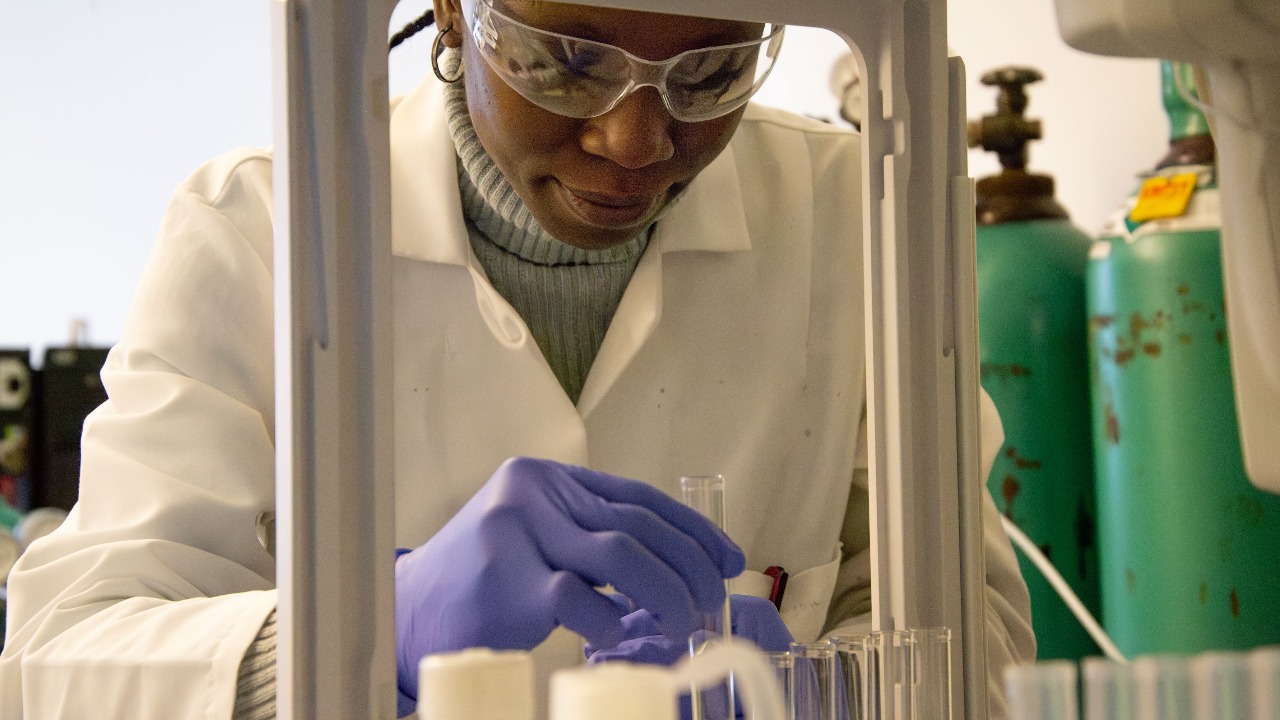
Biosystems engineers apply engineering to some of society’s most essential needs, including food and fiber production, clean water, renewable fuels and energy, and a safe and healthy environment. Auburn biosystems engineering graduates address challenges and opportunities involving living ecosystems and the natural environment. Auburn University’s Department of Biosystems Engineering offers Alabama’s only biosystems, forest, bioprocess and ecological engineering curricula.
By the Numbers
Biosystems Engineering combines engineering, biological sciences and technology to address challenges involving food, water, energy and the environment.
Explore Biosystems Engineering
The Bachelor of Biosystems Engineering combines engineering with biological and natural sciences to address challenges involving biological materials, food, water, energy and the environment. Students can follow the broader biosystems engineering curriculum or choose an option in bioprocess, ecological or forest engineering.
Biosystems Engineering
Build a foundation in biology, mathematics, physics, chemistry and engineering to solve problems involving biological materials and the environment.
- Biofuels and Bioproducts Engineering
- Food Safety Engineering
- Water Resources Engineering
- Biological Waste Management
- Robotics, Automation and Precision Agriculture
- Smart Livestock Production Precision Technologies
- Renewable Energy Engineering
- Smart Technologies for Confined Production Systems
Bioprocess Engineering
Focus on technologies that convert biological materials into value-added products. Coursework also satisfies most requirements for students interested in health-related professions.
- Preparation for Health-Related Professions
- Bioremediation
- Biomaterials Conversion to Energy, Fuels and Chemicals
- Biomaterials Value Addition
Ecological Engineering
Apply engineering fundamentals and natural ecological and biological principles to solve environmental problems.
- Watershed Analysis and Modeling
- Natural Resource Conservation
- Non-Point Source Pollution
- Stream and Wetland Restoration
- Coastal Ecological Engineering
- Algal-Bacteria Bioprocesses
Forest Engineering
Apply engineering fundamentals to the management and use of forest resources. Students complete a summer field practicum after the sophomore year.
- Smart Systems for Forestry
- Structural Wood Engineering
- Forest Operations Engineering
- Off-Highway Vehicle Engineering
- GPS and GIS in Forestry and Biosystems
Graduate Study in Biosystems Engineering
Graduate study in the Department of Biosystems Engineering may lead to the Master of Science or Doctor of Philosophy, with opportunities to specialize across a wide range of biological, environmental, agricultural and technology-focused areas.
Graduate Specializations
Graduate students can specialize in areas including:
Research, Labs and Centers
Biosystems engineering students have opportunities to engage in research across a wide range of areas. Broad faculty expertise, quality teaching and state-of-the-art equipment help students develop a thorough understanding of biosystems engineering.
Research Facilities
Department research facilities include:
Get Involved Beyond the Classroom
Biosystems engineering students are encouraged to participate in campus organizations, teams and clubs, gaining experience in teamwork, leadership and project management.
Scholarship Opportunities
The Samuel Ginn College of Engineering and the Department of Biosystems Engineering provide scholarship opportunities for students throughout their academic careers. Students must apply through the Auburn University Scholarship Opportunity Manager (AUSOM) to be considered.
Explore Engineering ScholarshipsLife After Graduation
Biosystems engineering graduates are prepared to work in areas that affect quality of life and the environment. Employers in industry, government and public service seek graduates who can apply engineering fundamentals to biological systems and the management of land and water resources.
Career Opportunities
Biosystems engineering careers include:
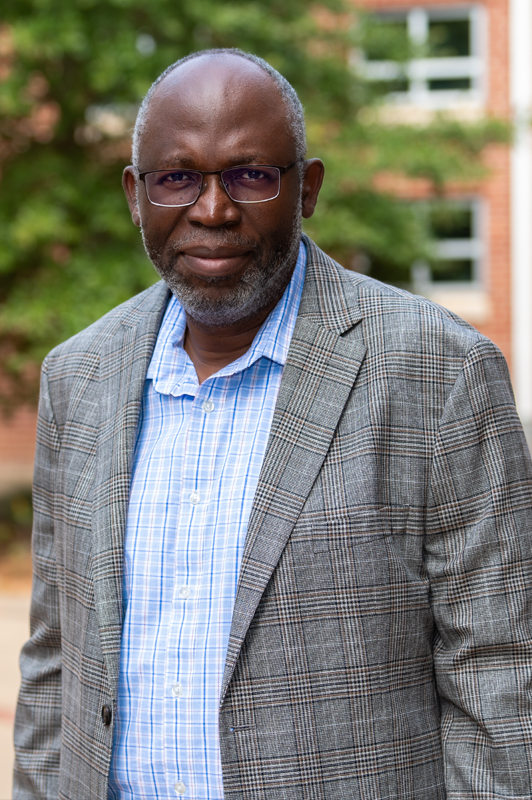
Oladiran Fasina
Biosystems Engineering Department Head